
The saffron is already in your hand before you know what to do with it.
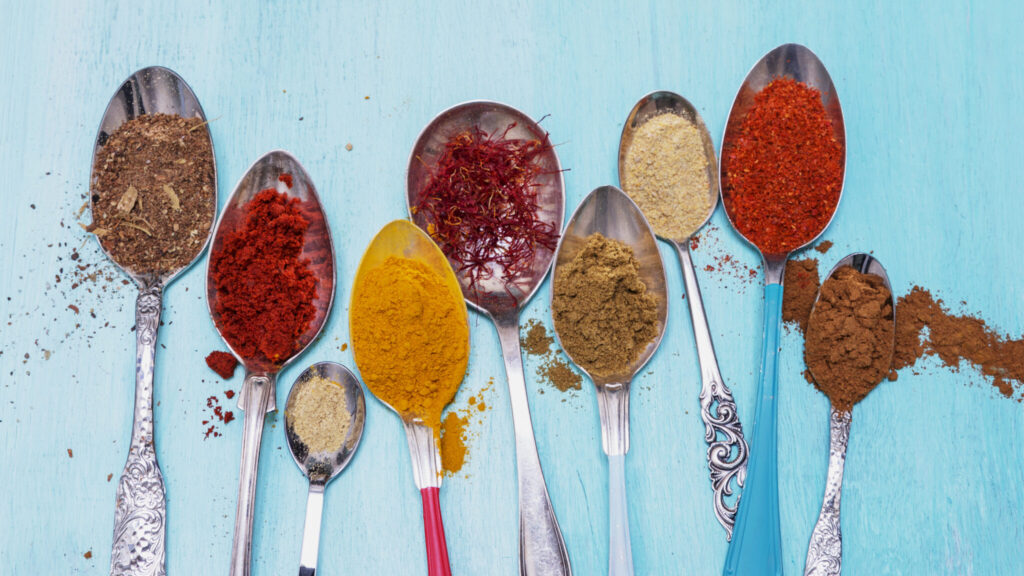
Not a pinch from a jar, not a labeled spice packet from a welcome bag. A small cloth pouch, tied loosely, is passed to you by the woman who selected it from the stall. Around it are dried roses, black cumin, and something you later learn is ras el hanout, ground fresh that morning. The stall keeper watches you smell it. He doesn’t say anything. You try to do it the right way, which you realize you don’t know yet.
That’s where the Fez cooking class actually begins. Not at the door of the kitchen, but here, in the market, before a single pot has been touched.
Fez and the Weight of the Kitchen
Fez has been feeding people for over a thousand years. Not in the abstract, historical-plaque sense of that phrase. Its kitchens still draw from foundations laid by Andalusian families who arrived in the 9th century and brought their recipes with them. Amazigh cooks who had been working this land for centuries longer. Arab culinary traditions. The city’s Jewish community also shaped Fez’s food culture. That influence remains in dishes many people eat without knowing the history behind them.
This is what makes a Fez cooking class different from cooking classes you might find elsewhere in Morocco. The city didn’t borrow its food culture. It accumulated it, in place, over centuries. The recipes are not frozen in time, either. They moved with the people who cooked them, absorbed new ingredients when trade brought them in, shifted slightly from neighborhood to neighborhood. When you cook here, that’s what you’re working with. History that stayed practical.
The Market First, Always
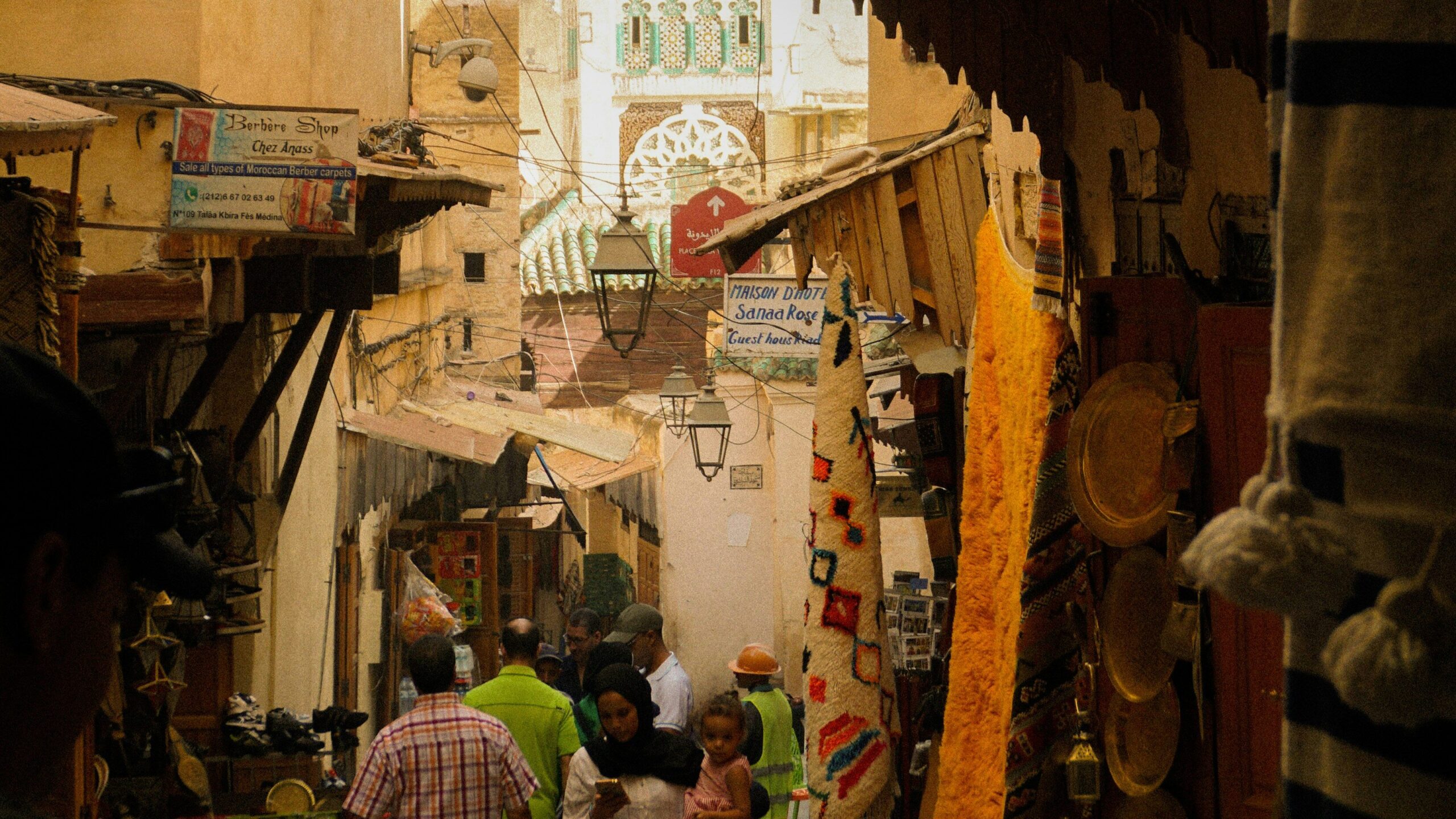
We walk to the medina early. The morning has its own rhythm in Fez, and if you pay attention to it, the cooking class makes more sense.
Children move through the narrow streets in clusters, backpacks swinging, school shoes already dusty from the cobblestones. A woman in a djellaba leans out of a second-floor window and calls down to the street. The hooded robe is traditionally worn by both women and men in Morocco. From somewhere up the hill, you can hear the slow, even clip-clop of a donkey making its way up a lane too narrow for any vehicle.
Nobody looks up. This is just the morning.
By the time we reach the market, the serious shopping has already started. In Fez, lunch is the main meal, and the households of the medina are built around it. You can feel the preparation in the market: the women who know exactly which vendor they’re going to before they arrive, the speed with which they move between stalls, the tomatoes squeezed and approved or set aside. There’s a smell underneath all of it, faint at first and then unmistakable.
Bread.
Not fresh-from-the-oven bread but bread baking toward noon, rising in households and community ovens throughout the medina, each loaf marked with a family’s stamp so it comes back to the right house. If you walk the right streets, you can catch the moment the smell shifts from raw dough to something golden. If you’re still in the market by mid-morning, you’ll hear the pressure cookers. They’re on dozens of stoves at once, a sound that becomes a kind of backdrop for the whole neighborhood, steady and domestic and purposeful.
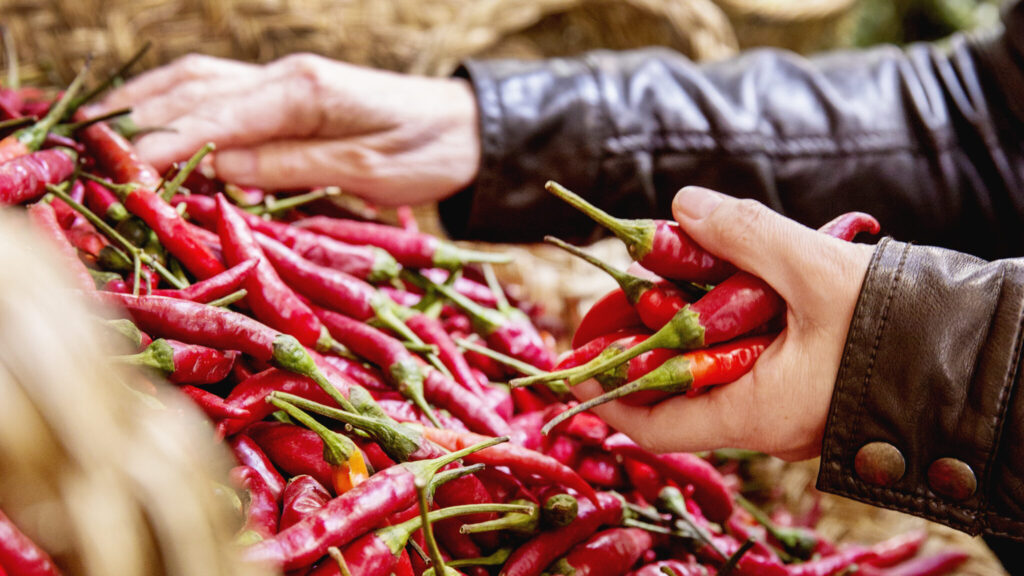
We walk through that, stop at the spice seller first. Cumin, yes, but also the kind you haven’t smelled before, not pre-ground, not pre-packaged. Perhaps then talk about preserved lemons: how long they take, why the homemade version tastes nothing like the jarred version, why people in Fez are particular about theirs. We pick up olives and talk about olive varietals the way people talk about wine grapes, which sounds pretentious until you taste the difference and understand that it isn’t. We look at fresh herbs, at produce that came in this morning, at cuts of meat from a butcher who knows our guide by name.
Nothing in this market is decorative. Everything here is for someone’s lunch table. By the time we leave it, you’ve handled everything you’re going to cook with, and you’ve seen the city it comes from.
Inside the Kitchen of a Fez Cooking Class
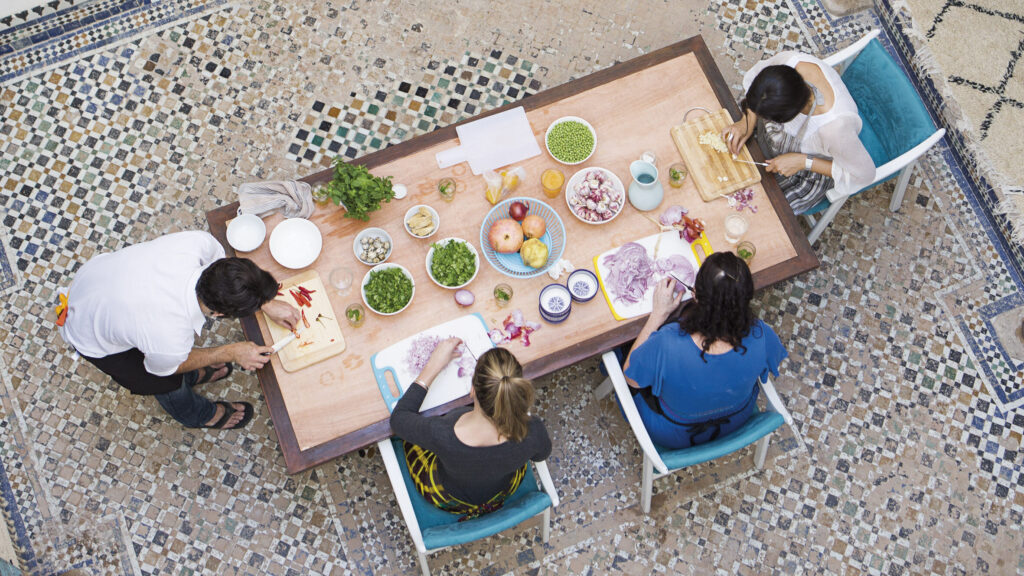
The kitchen is not a demonstration space. There’s no voyeurs here; everyone has a station. Everyone is doing the work.
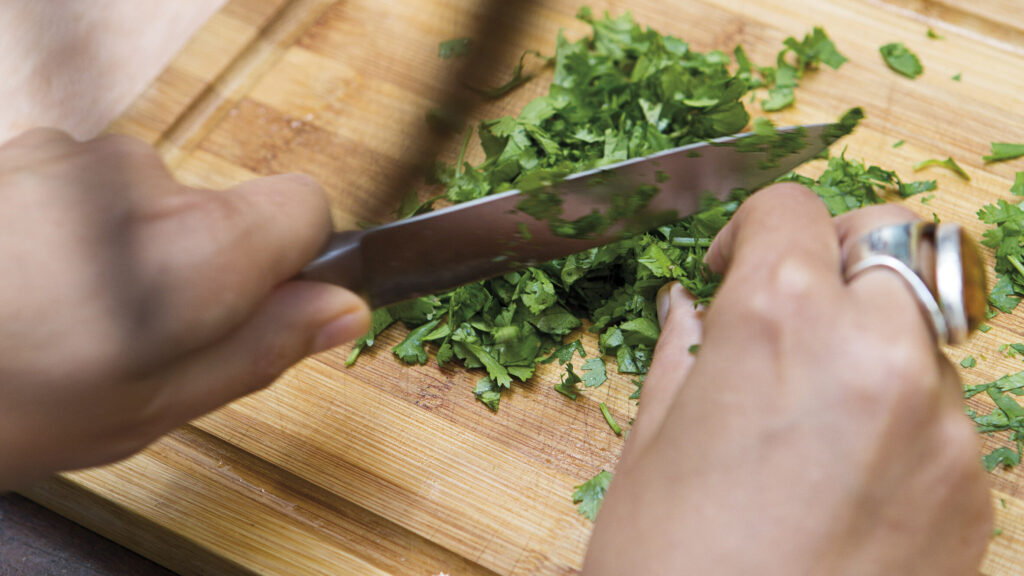
The morning’s menu changes based on the season and what was good in the market. That’s intentional. You might make bastilla, the layered pastry most people associate with pigeon but, can also be made with chicken, its filling spiced with cinnamon and ginger and something almost sweet in a way that shouldn’t work but does. Another possibility is a lamb tagine, slow-cooked with preserved lemon and olives, the kind of dish that takes three hours at home but begins to reveal itself to you in the first twenty minutes of preparation, once you understand what the heat is doing and why the order of the ingredients matters. The class may also include building a chermoula from scratch, that bright, herb-heavy marinade that holds together a dozen Moroccan dishes without ever announcing itself too loudly.
You’ll have bread. In Morocco, there’s always bread.
The instruction is relaxed without being casual. These are real techniques, taught by someone who has cooked them for years and can tell you not just what to do but what it’s supposed to feel like when you’re doing it right. There’s a texture the dough reaches. At a certain point, the smell of the tagine changes and you know the braising liquid has reduced enough. There’s a way to fold bastilla that keeps the filling from escaping the pastry. You won’t get all of it perfect on the first try. That’s the point. The difference between a cooking demonstration and a hands-on Moroccan cooking class is that one gives you a memory and the other gives you a skill.
The Meal
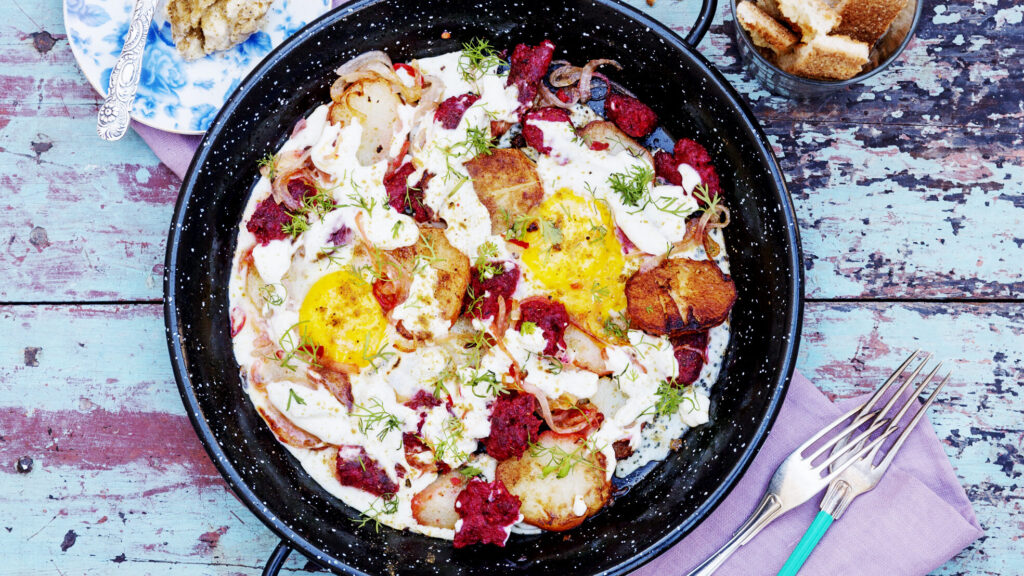
Everything you’ve made, you eat – and what a meal it is!
Moroccan hospitality is not a theme or an aesthetic. It’s a set of values about what it means to receive someone, to care for them, to make sure they leave full. Eating the meal you’ve cooked in a space that takes that seriously feels different from eating in a restaurant. You know what went into it. You remember how your hands smelled when you finished preparing the meal. The food tastes different because of that, and because of the context around it.
There’s mint tea at the end. There’s always mint tea.
What to Combine It With in Fez
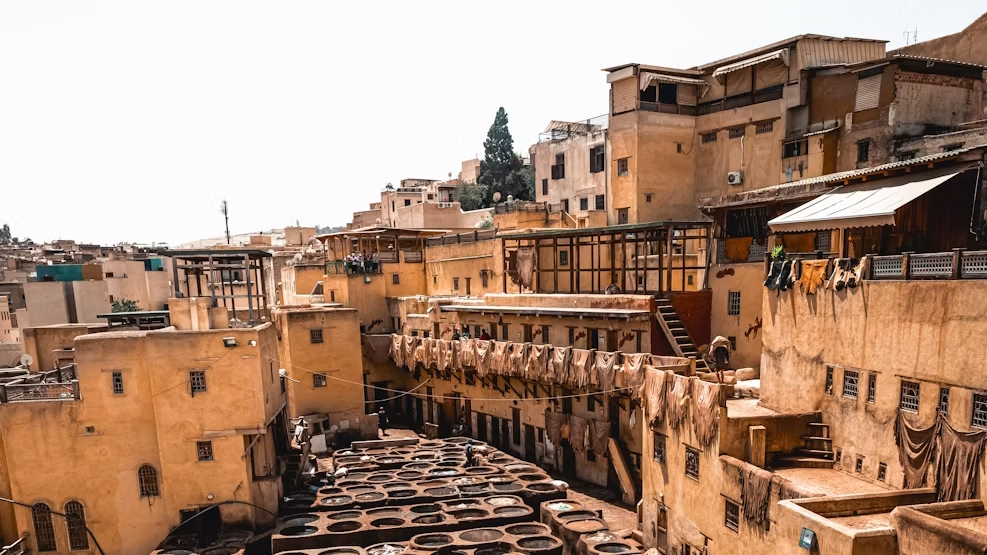
If you have more than a half-day in the city, use it. Fez rewards slow attention. The medina is a UNESCO World Heritage site, but that designation does nothing to prepare you for actually being inside it. It’s not a museum. It’s a working city, and the best way to understand it is to spend time in its streets before and after any structured experience.
A private multi-day itinerary that includes Fez gives you the room to do that properly. We build these from scratch for every group, and Fez is one of the cities we include most often for travelers who want to understand Morocco as more than one place. The cooking class fits naturally into a longer stay, usually mid-trip, when you’ve found your pace and you’re ready to go deeper.
Other Experiences Worth Knowing About
If the Fez cooking class has your attention, here’s what else we offer across Morocco.
In Marrakech, the Evening Street Food Tour is where most people start. It’s a full meal, not just tastings, walking through medina streets with a licensed Moroccan guide who knows the difference between what tourists are shown and what locals actually eat. If you’ve already done that and want to go further, the Authentic Alleyways tour is the follow-up, designed for people who are ready to stop playing it safe. And if you want to cook in Marrakech the way you’ll cook in Fez, the Artisan Day pairs hands-on cooking with visits to working artisan workshops.
In Tangier, the Tasting Tangier food tour covers a city whose food reflects its position at the top of the country: Moroccan, Spanish, Mediterranean, and African all at once. It pairs naturally with Fez for travelers covering the north.
All of our single-day experiences can be booked on their own or folded into a larger itinerary. If you’re building a multi-city trip and want food to be the thread running through it, that’s exactly the kind of trip we design best. Start here and tell us what you’re thinking.
One Last Thing
The morning we spent in the market, the bread smell, the pressure cookers, the donkey going up the hill while everyone else moved around it as though it were simply part of traffic: that’s not the cooking class, technically. It’s not on the itinerary in any formal way. But it’s the part I hear people mention most when they talk about it afterward. Not the bastilla, not the tagine. The walk to get there, and what Fez looked like at that hour.
That’s the thing about a Fez cooking class. The food is the entry point. The city is the point.